




Back in 1989, when Marty McFly and Doc Brown travelled into the future in the sequel to the Back To The Future blockbuster, the date they arrived in was 21 October 2015. Now we’re living in this time, how accurate were they in their predictions of what the future had in store?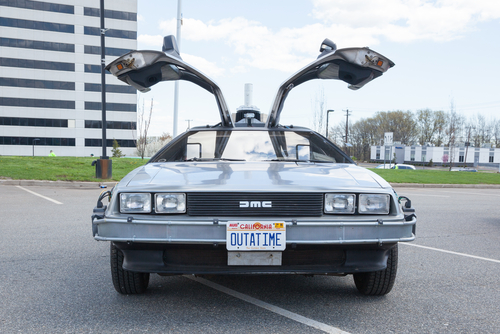
Surprisingly, they were pretty close to the mark. Mostly. Many of the futuristic scenes depicted in the film are now commonplace. Characters were shown watching multiple channels on a futuristic looking flat-screen monitor and talking via video, a la Skype and FaceTime. Remotely operated ovens appeared in the film and, while we’re not all activating our home appliances remotely, the technology is readily available (at a price). Computer glasses in the ‘80s looked very sci-fi, but although Google glasses haven’t taken off, wearable technology is booming in popularity.
We may not have automated waiters serving us our coffee in cafés, but some restaurants are now introducing iPad ordering, allowing customers to input their orders direct to the kitchen via a tablet, while buying our groceries from a machine is now part of our regular shop.
Travel, however, has not advanced at quite the same rate. Marty McFly escaped his nemesis by jumping on a hoverboard, which are yet to become a household item, though experimental versions do exist. Further off still is the flying car. While time-travelling Marty and Doc took to the air in their DeLorean in the real 2015 our cars are still very much stuck firmly on the ground, generally in traffic jams, and that’s where they’re set to stay, for the time being at least.
All this leaves us wondering: if a new version of the film was to be made now, what would be the predictions for how we’ll be living in 2040 be?