




Solar power has the potential to become the biggest source of energy by 2050, beating fossil fuels, nuclear energy and other renewable sources, according to the International Energy Agency (IEA). The agency’s ‘Roadmap Report’ warns that this opportunity, and the benefits that come with it,…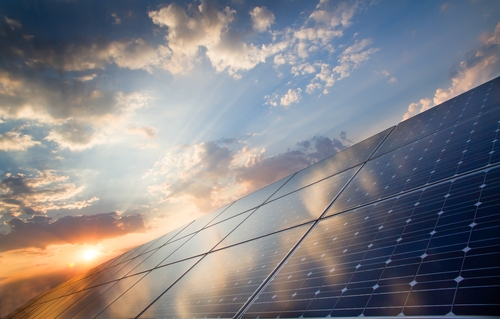
…could be missed if the world’s governments do not set and achieve clear targets.
Existing solar technologies have the potential to meet one quarter of the world’s forecasted electricity demands in 2050.
Photovolatic (PV) solar panels, seen on roofs across the UK, have fallen drastically in price and risen in popularity over the last six years.
These panels could carry the largest burden in a more solar-focused future energy market, generating 16% of the world’s energy.
Another 11% could come from solar thermal electricity systems, which use the sun’s rays to heat fluids which drive electricity turbines.
Future governments could reduce their reliance on fossil fuels and limit the effects of global warming by getting 27% of their energy straight from the sun.
This depends on governments setting clear and achievable targets as well as on public and private sector organisations working together.
Sir Richard Branson is positive about private and non-profit solar generation and has recently committed to buying shares in a grassroots funded solar energy scheme, saying that: “It’s definitely time to shake up the way we generate and use energy.”
Meanwhile Renewables policy manager Stephanie Clark said: “Half the energy we use goes on creating warmth, this sector has such an important role to play in combating climate change and reducing fuel poverty.”